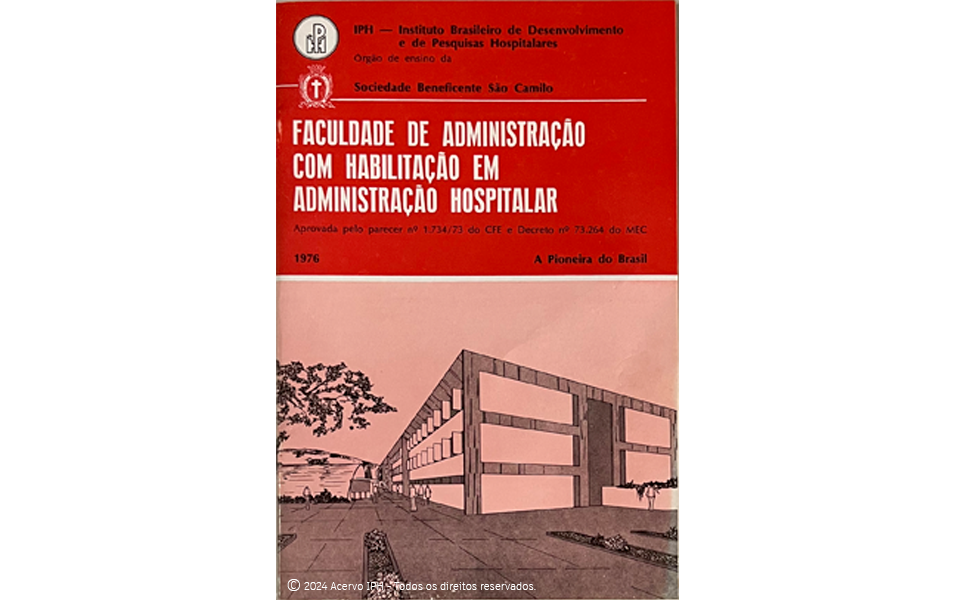
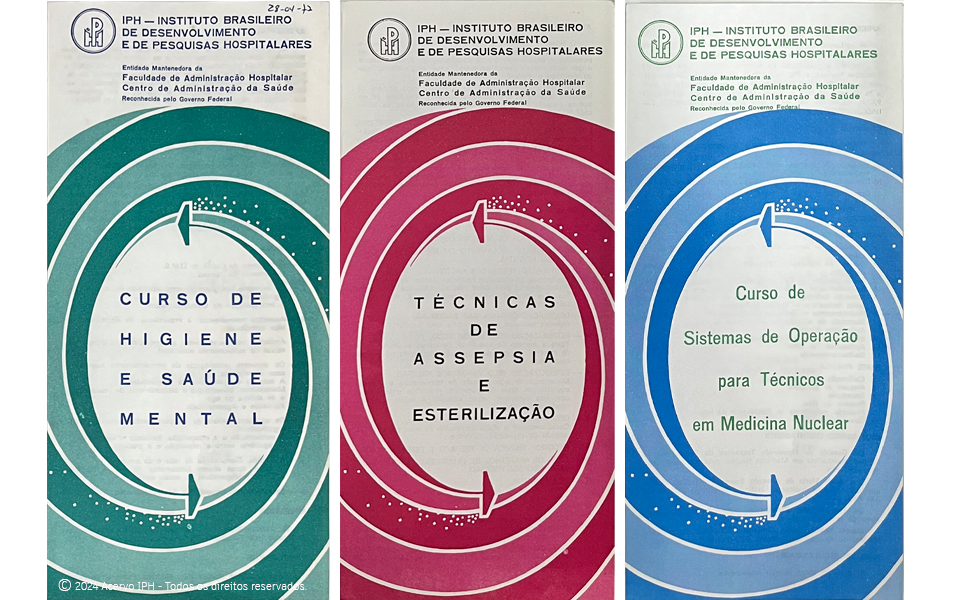
Architect Jarbas Karman Institute of Hospital Research (IPH) is a non-profit organization of public interest1 that focuses on research and knowledge production regarding the physical and functional aspects of healthcare building projects, being the guardian of Brazil’s largest collection of works on Hospital Architecture. IPH was conceived by architect Jarbas Bela Karman, and throughout its 70 years of existence it has pioneered in different fronts within the health area, through courses, publications and initiatives, such as:
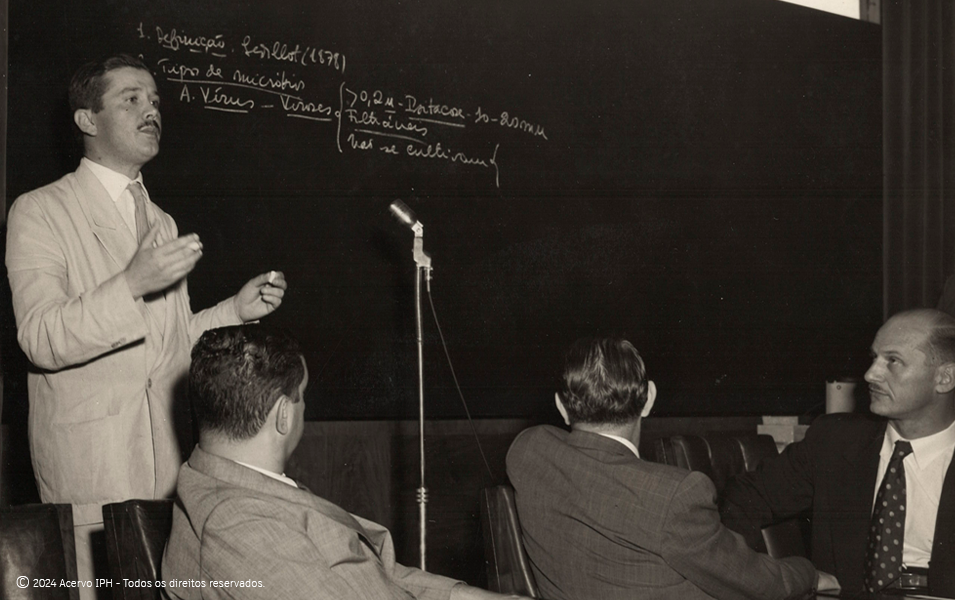
Our mission: to enable more humanized and efficient healthcare buildings in Brazil. Our goals: to organize, to gather and to make available our collection for public access. To publicize and sponsor research, studies, publications and events regarding healthcare, architecture, hospital planning and administration via physical and digital means. To maintain ongoing exchange among colleges, universities, and further higher education institutions, both in Brazil and abroad. Our vision: to foster research and the physical and functional planning of healthcare institutions. Our values: quality, ethics, respect, generosity, responsibility, humanity and scientific rigor. IPH sponsors, publicizes and encourages research in the following areas: healthcare, hospital administration, and hospital planning, by making available to the general public a collection of works and a library that can be accessed through our online catalogue: http://acervo.iph.org.br/ 1 IPH was declared a public interest institute by State Law 4774, from August 12, 1958, and by Federal Decree 44735, from October 23, 1958. photo caption: Opening lecture of the first Sterilization and Aseptic Technique Course (1955)
Subscribe to Our Newsletter
© All rights reserved.